

Yoga and wellbeing · A practical guide
Chakras, yoga and hormonal health
A guide to traditional meaning, personal reflection and the limits of medical claims.

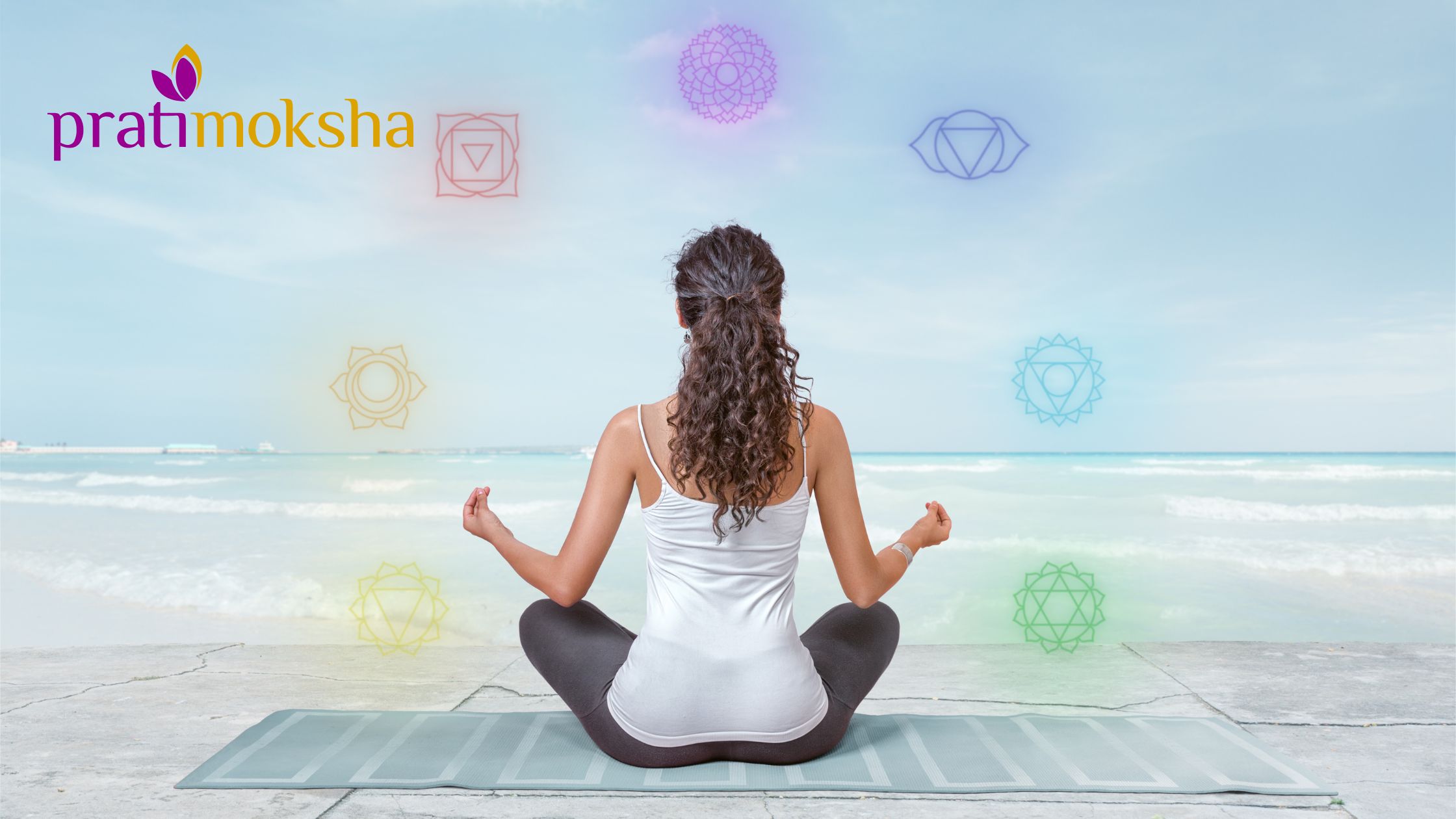
Chakras belong to traditional accounts of yoga and the subtle body. They can provide a meaningful focus for reflection, imagery and meditation. They should not be used to explain the medical cause of a hormonal condition.
Understanding the traditional idea.
Historical yoga texts and artworks describe a subtle body through energy centres and spiritual practices. The Smithsonian’s study of yoga places these ideas within a varied religious and cultural history. This is a different kind of account from a medical description of organs and hormones. [source]
For someone drawn to this tradition, chakra imagery can give a practice a theme: feeling grounded, paying attention or reflecting on how you communicate. You can explore that meaning without claiming that a centre controls an endocrine gland.
Seven centres as prompts for reflection.
The seven names below retain the framework used in the original article. The questions are suggested reflections for this guide, not a diagnostic test or a claim that all yoga traditions teach one identical system.
- Muladhara · Root
- What helps me feel supported in everyday life?
- Svadhisthana · Sacral
- Where do I make room for enjoyment and creativity?
- Manipura · Solar plexus
- What small, manageable action would I like to take?
- Anahata · Heart
- How can I approach myself and others with kindness?
- Vishuddha · Throat
- Is there something I would like to express more clearly?
- Ajna · Third eye
- What am I noticing when I pause and pay attention?
- Sahasrara · Crown
- What gives my practice a sense of meaning?
Choose a question that interests you; there is no need to work through every centre or search for a blockage. A journal note or a conversation with your teacher may be enough.
What does this mean for hormonal health?
The sources reviewed for this article do not establish chakra imbalance as a cause of PCOS, thyroid disease or early menopause. They also do not establish that stimulating a chakra corrects insulin, thyroid or reproductive-hormone function. A gland-to-chakra chart should therefore not be treated as physiology.
There is research suggesting yoga may support stress management and wellbeing. Feeling calmer after a class, however, is not evidence that a hormonal disorder has been corrected. [source]
If you have persistent changes in your cycle, energy or other symptoms, seek an assessment based on those symptoms. For example, PCOS has a medical diagnostic pathway and its cause is not fully understood. Read our guide to what causes PCOS for that separate question. [source]
A gentle way to explore the imagery.
Begin in a comfortable seated or resting position. Let your breathing remain natural. You might bring one of the questions above to mind or imagine a colour you find restful, without trying to produce a particular sensation. If inward attention feels uncomfortable, open your eyes, look around or end the practice.
Movement can be part of the session too. Ask your teacher for comfortable options and tell them what you would prefer to avoid. Quiet reflection does not require an advanced posture or an intense breathing technique.
NCCIH advises beginners to avoid practices such as shoulder stands, headstands and forceful breathing, and recommends adapting practice for individual health needs. They are not starting points for this guide. [source]
Bring your questions to a session.
You might want a practice grounded in yoga philosophy, a straightforward movement session, or a combination. Tell the teacher which approach interests you and ask how it will be taught. A useful conversation covers your experience, comfort and goals without promising to “reset” hormones.


0 Comments