

Meditation
Yoga Nidra and Cooling Breathwork for Warm, Restless Nights
The room is dark and the air conditioning is on, but you’re still replaying the day. If that sounds familiar, experiment with giving yourself a little time to wind down before getting into bed. Yoga Nidra and traditionally named cooling breaths offer two ways to direct your attention during that time.
What Yoga Nidra feels like
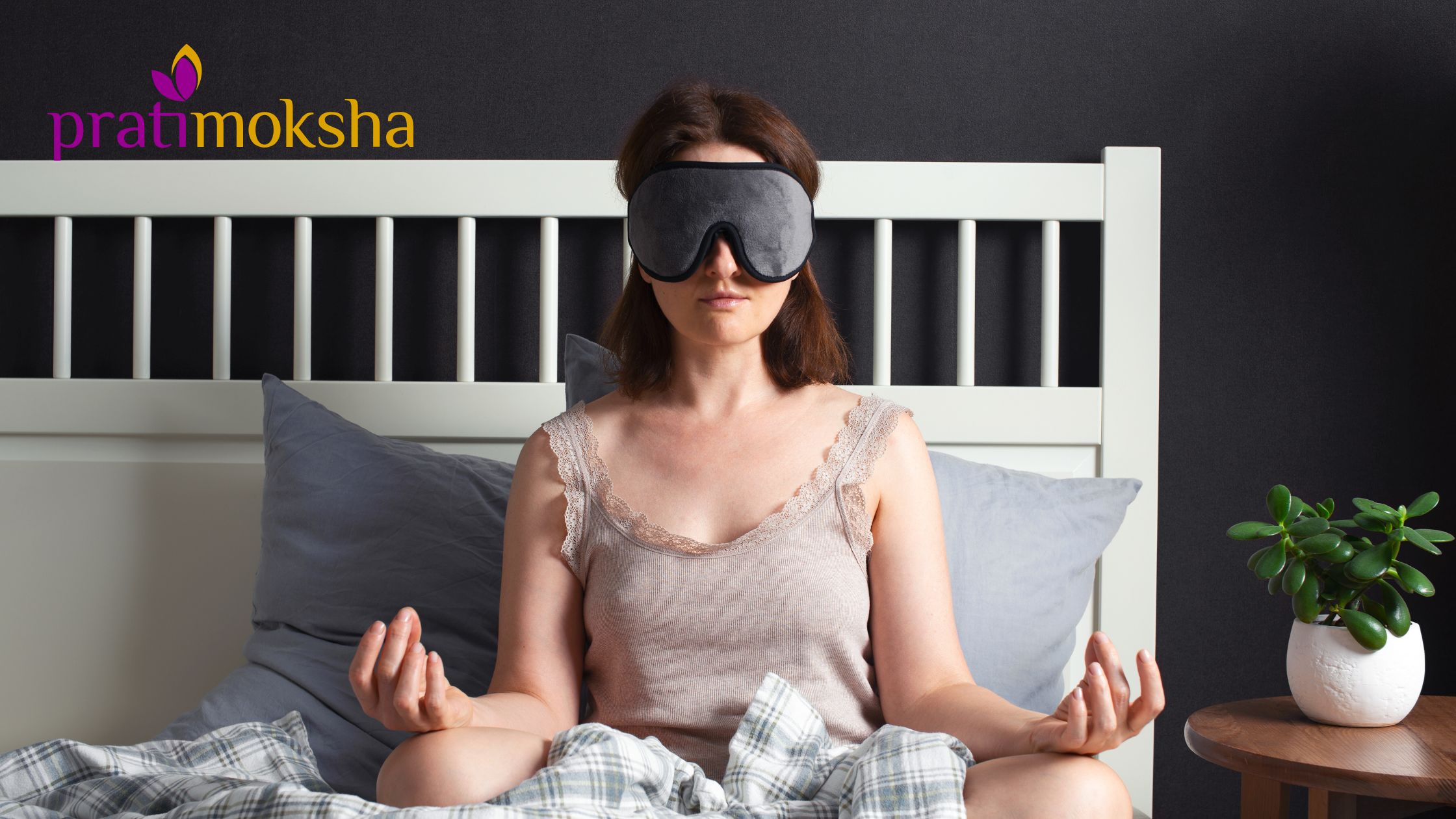
Yoga Nidra is a guided practice often done lying down, though a supported chair can work. A recording might ask you to notice the weight of a hand, move your attention to one foot, or listen for the next instruction. Choose a place where you can rest without needing to adjust your position repeatedly. A pillow under the knees or a lighter cover may help you get comfortable.
The name is often translated as “yogic sleep”. During the practice you might stay aware, drift in and out, or fall asleep. The guided rest has value on its own. Research on yoga and sleep quality does not tell us that any amount of Yoga Nidra can replace a particular amount of sleep. If you’d like someone to guide you, try Lalitha’s 20-minute recording.
What cooling breath means in yoga
In Sheetali, air is drawn in through a rolled tongue. In Sheetkari, the air passes between gently closed teeth. In both, the breath typically goes out through the nose. The incoming air can feel cool in the mouth. That sensation is a reason for the traditional description. Start by making the room and bedding comfortably cool.
If you already know either technique, stay with easy rounds and skip any breath holding. If nose breathing feels difficult or the mouth feels dry, return to ordinary breathing. For a short wind-down, you can also skip deliberate breath patterns and simply listen to the recording.
Build a wind-down you can repeat
Set the room up first. Use lighter bedding if it’s more comfortable, dim the lights and put your phone where you can play the recording without continuing to scroll. Give yourself two minutes to settle and let the rest of your time go to supported rest or Yoga Nidra. If you have only five minutes, use five.
If trouble sleeping lasts for months or makes daily life hard to manage, the NHS insomnia guide recommends speaking to a clinician and describes treatments such as cognitive behavioural therapy. You can also track whether the wind-down makes evenings more comfortable, regardless of how quickly you fall asleep.


0 Comments