

Women’s wellness
The Best Diet for Hormonal Balance: A Yogic and Ayurvedic Perspective
Food can support general health, energy and symptom management, but there is no single “hormone-balancing” menu that works for everyone. Start with a sustainable eating pattern, then seek condition-specific advice when symptoms persist.
Is there one best diet for hormonal balance?
No. “Hormonal balance” is a broad phrase, not a diagnosis. Changes in periods, energy, sleep, skin, appetite or weight can have many explanations. Food matters, but a symptom cannot tell you which hormone is involved or whether diet is the cause.
For most people, the strongest foundation is an ordinary balanced diet: varied vegetables and fruit, higher-fibre carbohydrates, suitable protein foods and mostly unsaturated fats. The NHS balanced-diet guidance also recommends limiting foods high in salt, sugar and saturated fat rather than building a long forbidden-food list.
A practical plate for busy weeks
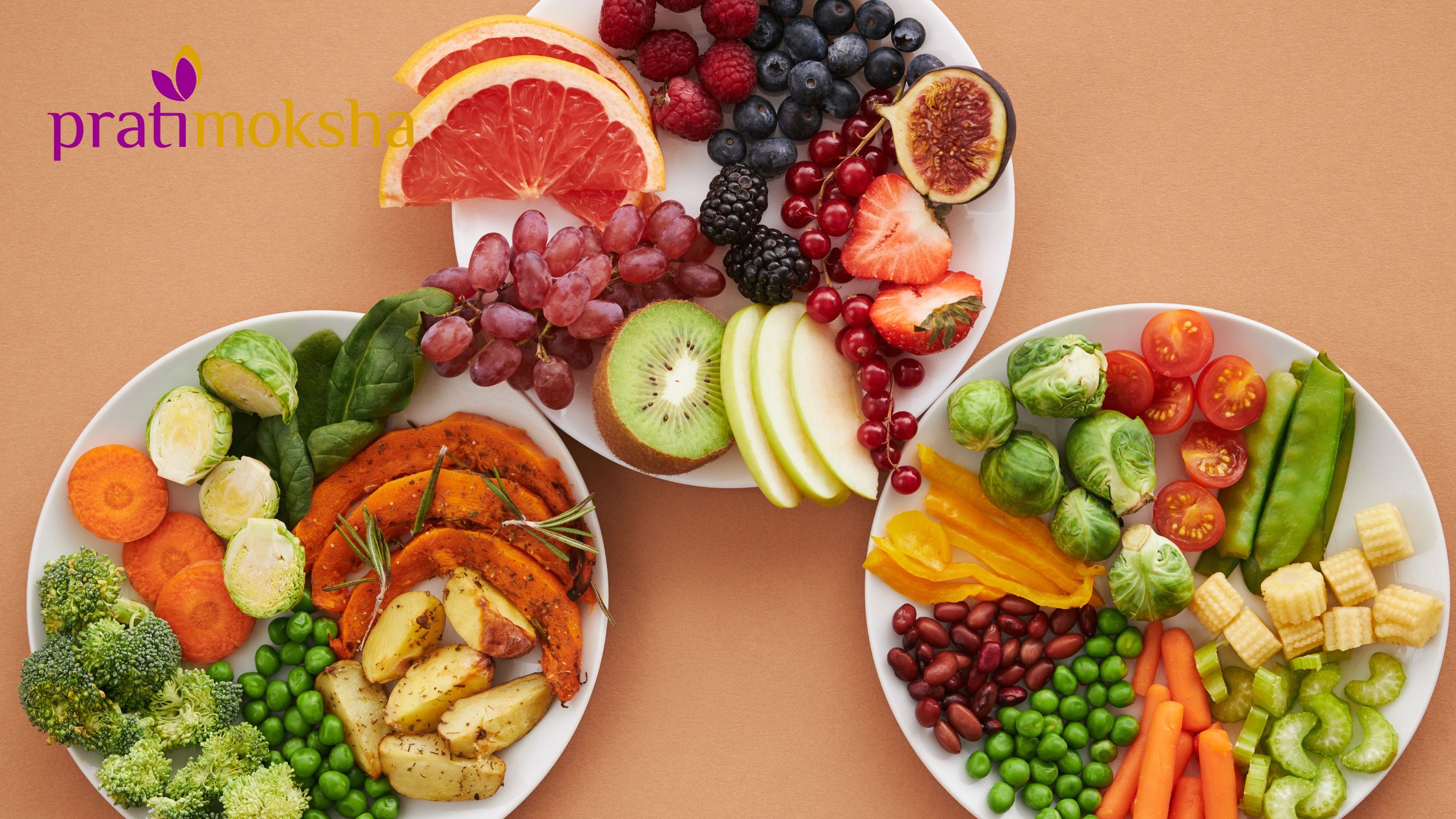
Think in repeatable combinations rather than “perfect” meals. A useful meal might combine vegetables, dal or another protein source, and rice, roti or another higher-fibre carbohydrate. Yoghurt, eggs, beans, lentils, tofu, nuts and seeds can help vary vegetarian meals according to your preferences and dietary needs.
- Make regular meals easier. Prepare one grain, one pulse and two vegetables that can be recombined across several meals.
- Include protein deliberately. This can make vegetarian meals more satisfying without relying on a single supplement or “superfood”.
- Keep enjoyable foods. An approach that creates guilt or is impossible to maintain is unlikely to help for long.
- Adapt to your condition. Pregnancy, diabetes, PCOS, thyroid disorders, allergies and eating disorders require more individual advice than a general wellness article can provide.
Where Ayurveda can fit
Ayurveda offers a traditional way of reflecting on routine, digestion, season and individual constitution. Some readers find ideas such as regular mealtimes, freshly prepared food and noticing how meals feel personally useful. Doshas should not be used to diagnose an endocrine condition or replace medical or dietetic care.
Spices such as ginger, turmeric or cinnamon can make balanced meals enjoyable, but describing them as medicines for PCOS, thyroid disease or reproductive conditions goes beyond what this article can support. Use them as food unless a suitably qualified clinician advises otherwise.
Should eating change across the menstrual cycle?
Appetite and food preferences may change across the cycle, but rigid phase-by-phase menus are not essential. If a particular pattern helps you plan nourishing meals, use it flexibly. Persistent heavy bleeding, severe pain, missing periods or other concerning changes warrant medical assessment rather than a stricter food plan.
How yoga complements nutrition
Yoga can contribute movement, relaxation and a routine for paying attention to how you feel. It should not be presented as making food “work harder”, detoxifying hormones or directly correcting an endocrine disorder. Choose a practice that suits your current capacity and existing care.
At Pratimoksha, a conversation can help you distinguish a general class from more individual support. The yoga team can adapt movement; medical and nutrition questions still belong with the appropriately qualified professional.




0 Comments