


Yoga philosophy
Patanjali’s Yoga Sutra: The 8 Limbs of Yoga
The eight limbs of yoga give us a way to see how conduct, posture, breath and meditation belong together. Patanjali calls this path ashtanga, from the Sanskrit words for eight and limb. Here’s what each limb means and how you might recognise it in practice.
Yama and niyama: how we live
1. Yama describes five ethical restraints. These are ahimsa (non-harming), satya (truthfulness), asteya (non-stealing), brahmacharya (restraint or moderation, with interpretations that vary across traditions), and aparigraha (non-grasping). Start with something ordinary. When someone is speaking, give them time to finish before you prepare your answer.
2. Niyama describes five personal observances. These are saucha (cleanliness), santosha (contentment), tapas (discipline), svadhyaya (study of yourself and of teachings), and Ishvara pranidhana (devotion or surrender to the divine). In practice, tapas might mean setting aside time to practise regularly. Santosha often comes in when you work with the time, energy and range of movement you have that day.
Asana and pranayama: posture and breath
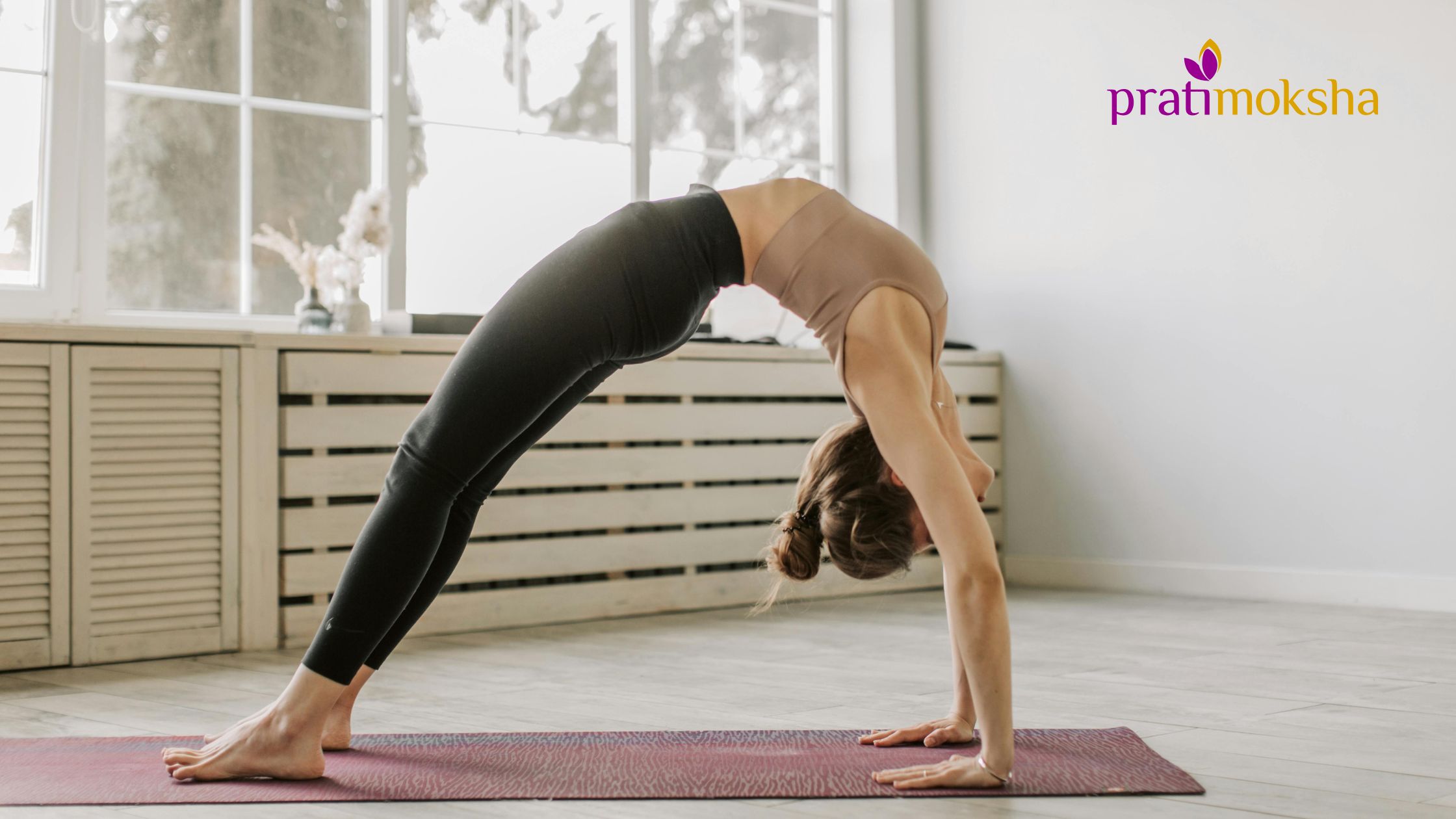
3. Asana means posture. In the Yoga Sutra, posture is associated with steadiness and ease. One way to explore that idea is to come out of a stretch a little and notice whether you can breathe and stay comfortably. A supported seat for meditation is another way to practise asana.
4. Pranayama is the regulation of breath. Begin by noticing the natural rhythm of breathing after you settle into a posture. More formal techniques change the timing or pattern of the breath and can be learned gradually with guidance.
Pratyahara, dharana, dhyana and samadhi
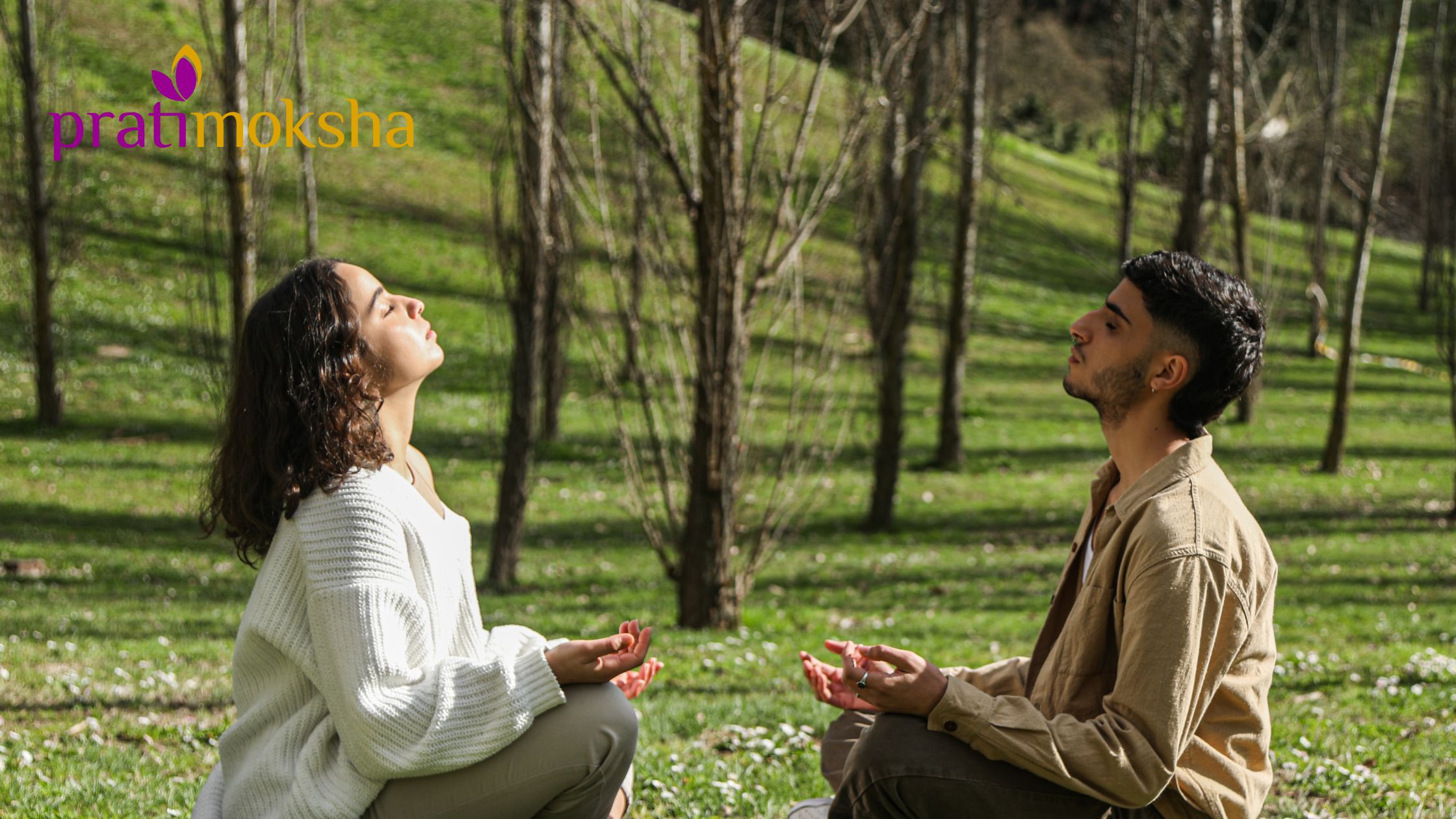
5. Pratyahara is the turning of the senses inward. You might still hear a door close during practice and find that your attention can stay where you placed it.
6. Dharana is concentration. You choose a focus, such as the breath, and return when the mind wanders. 7. Dhyana is meditation, described as a more continuous flow of attention towards that focus. Returning to the breath after getting distracted gives you an everyday sense of how these two limbs relate.
8. Samadhi is absorption, in which the object of meditation comes to the forefront and the usual sense of being someone observing it recedes. Patanjali discusses different forms of absorption in the Yoga Sutra.
Study the limbs with Lalitha
Patanjali’s eight-limbed framework covers how we practise on and off the mat. It is distinct from Ashtanga Vinyasa, the modern style of physical practice with set sequences. For a wider introduction, read the opening sutra or watch Lalitha’s introduction to the eight limbs.



0 Comments