


Yoga philosophy
Patanjali’s Yoga Sutras: Where to Begin
You can begin reading the Yoga Sutras with a single line. Patanjali’s first sutra introduces yoga as something to study and practise. Its opening word, atha, means ‘now’.
Start with the first sutra
Atha yogānuśāsanam. One simple reading is ‘Now begins the instruction in yoga.’ The line tells you what is beginning. It also leaves you with the small word atha, or ‘now’, which Lalitha pauses over in her introduction to the text.
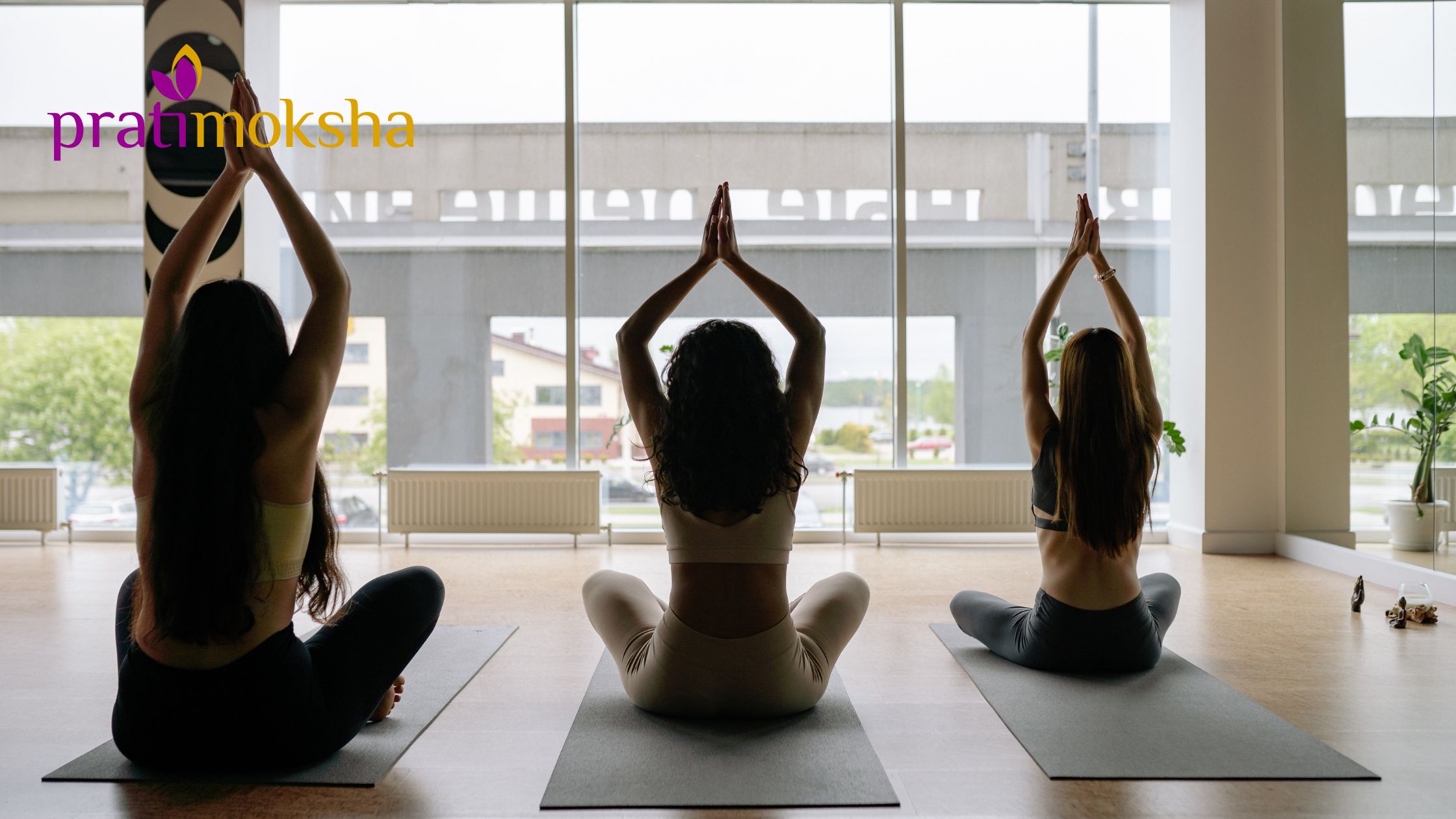
Think of how a practice actually begins. You arrive with thoughts about the day, look around the room and perhaps wonder how the class will go. Then your attention moves to the posture you are in, to the instruction you have just heard or to the breath you are taking. The word ‘now’ makes a useful prompt at that moment. What is here to attend to?
The line is short enough to take into a class or return to later in the day. Give it time before moving on. A sutra can be read carefully, put into practice and read again with the experience of that practice in mind.
The four chapters at a glance
The text is divided into four chapters, called pādas. If you are opening it for the first time, this outline helps you see where a passage belongs.
- Samādhi Pāda. The opening chapter introduces the aim of yoga and addresses mental activity and absorption. The first and second sutras are here.
- Sādhana Pāda. The second chapter sets out practices and discusses the obstacles that arise. It introduces the eight limbs and develops the earlier limbs, including posture and regulation of the breath.
- Vibhūti Pāda. The third chapter takes up concentration, meditation and absorption in more detail. It also describes attainments associated with sustained practice in the tradition.
- Kaivalya Pāda. The final chapter considers liberation and returns to questions about the relationship between awareness and the activity of the mind.
Read or listen to the next step
Try reading the first line aloud, then reading the English in two translations if you have them. Notice whether each translator emphasises instruction, study or discipline. Write down one question the line brings up for you, and revisit it after your next class.
Then move to Yoga Sutra 1.2 and its account of the activity of the mind. Read the two lines together and see how the opening invitation leads into the purpose of the practice. You can also watch Lalitha Viswanath introduce the Yoga Sutras.




0 Comments